


One of my favourite experiences in travelling is to connect with the local people in their natural setting, for however small a moment, in the places I visit.

This small village on the banks of the Nile, along with a few important tombs in the hills behind is all that remains of a once thriving metropolis that marked the crossroads of the ancient trading routes from the north, south and east of Egypt.
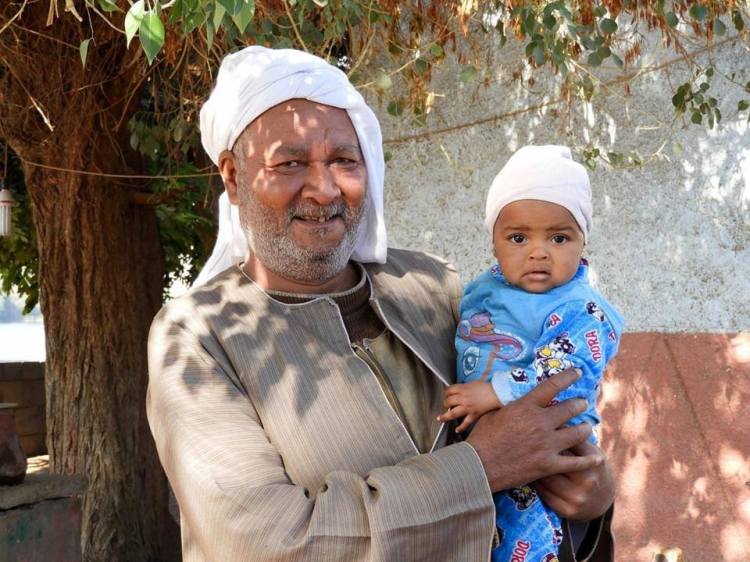
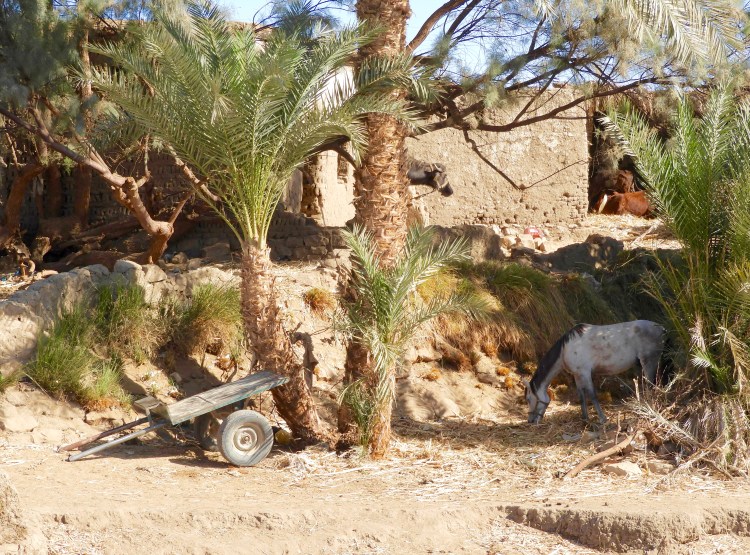
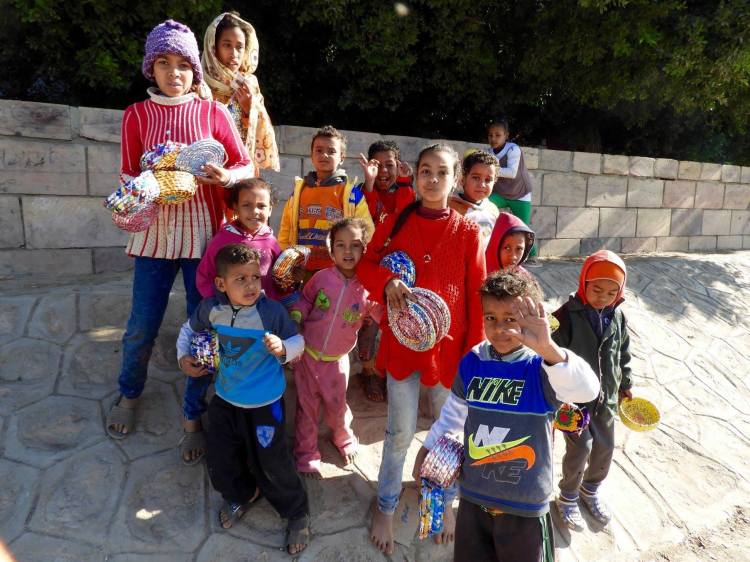
We arrived here fairly early in the morning to visit some tombs, but for me, the charm and pervading memory was the village itself. As we made our way through the dusty streets the morning sun created warm shadows and highlights on the brightly coloured houses. Strolling along the streets I enjoyed the clamour of excitable children, the shyly smiling adults quietly welcoming, the chubby, wide-eyed babies in arms. The usual array of animals either hobbled or roaming free, and the implements and accoutrements of village life were randomly dotted around. Small colourful fishing boats were pulled up on the riverbank, some with fishermen preparing their nets for their day on the river; the life blood of the village. Ladies pounded their washing on the river stones at the waterline with toddlers close by quietly playing, or clambering awkwardly over the rocks. There were no motorized vehicles to be seen or heard. There was no hustle, no bustle.
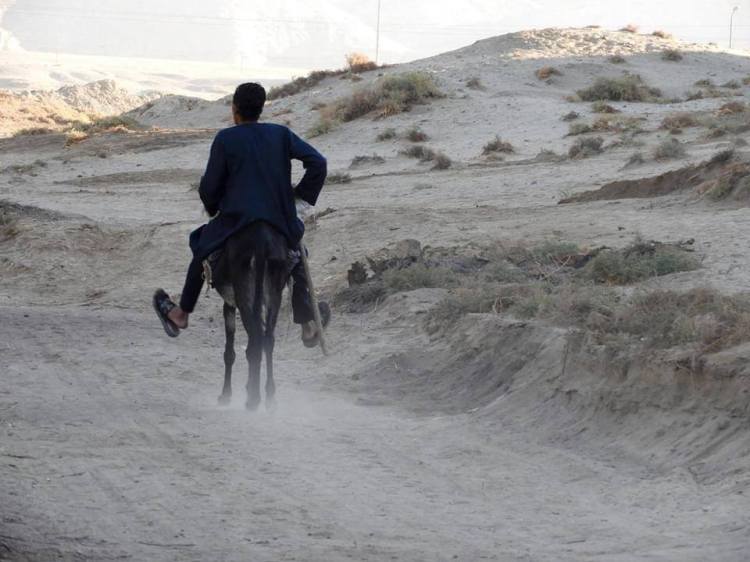
Then we were out past the village and wandering across the grassy wastelands to the hills beyond in the cool morning air. The odd animal or child trailed behind until we were finally alone amongst the silently waving grasses. Further along after reaching a track, a boy on a donkey kept pace for a while before trotting off with a cheeky grin and a wave to heaven knows where. Then on past a few small agricultural plots growing vegetables, small crops and if I remember correctly, the odd stand of sugar cane. Clay water urns were propped up on primitive wooden structures on the side of the track for the thirsty. A young boy guarded his goats as they grazed. Very peaceful and very rural.
Cross a road and a railway line and on to the hills. The main criteria with the ancient Egyptian rulers when positioning their tombs was to ensure they remained above the Nile River flood lines. Here, the flood plain was quite wide because of the valleys leading off that once served the trade caravans, so the climb was not that onerous.
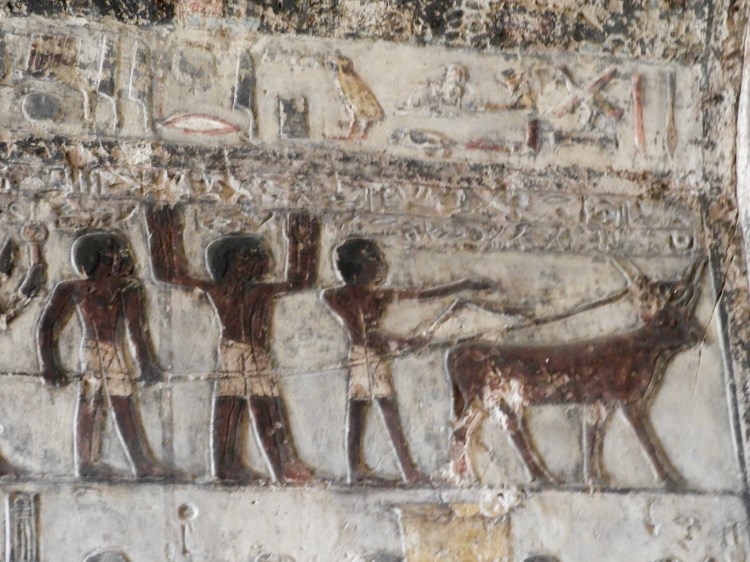
Tombs and their content are very much part of the travel platform in Egypt, and you would be a very wily traveller to escape them, even if you wished. They can all end up a bit of a blur, but are fascinating in their own right, and these were no exception. There were only three or four, each with a story to tell. Very much small fry compared to many of the more famous, but we had them all to ourselves. I listened to our guide with interest then promptly forgot most of it. But the imagery and wonder remains.

Upon re-emerging into the now bright sunlight, we stood in quietude and delighted at the natural planes, colours and formations of the sandstone cliffs against the now stark blue sky. We then turned and gazed across the empty dusty plains stretching to the south and east, enjoying the vastness and the solitude, before leisurely retracing our steps.


 truintraveltales.com